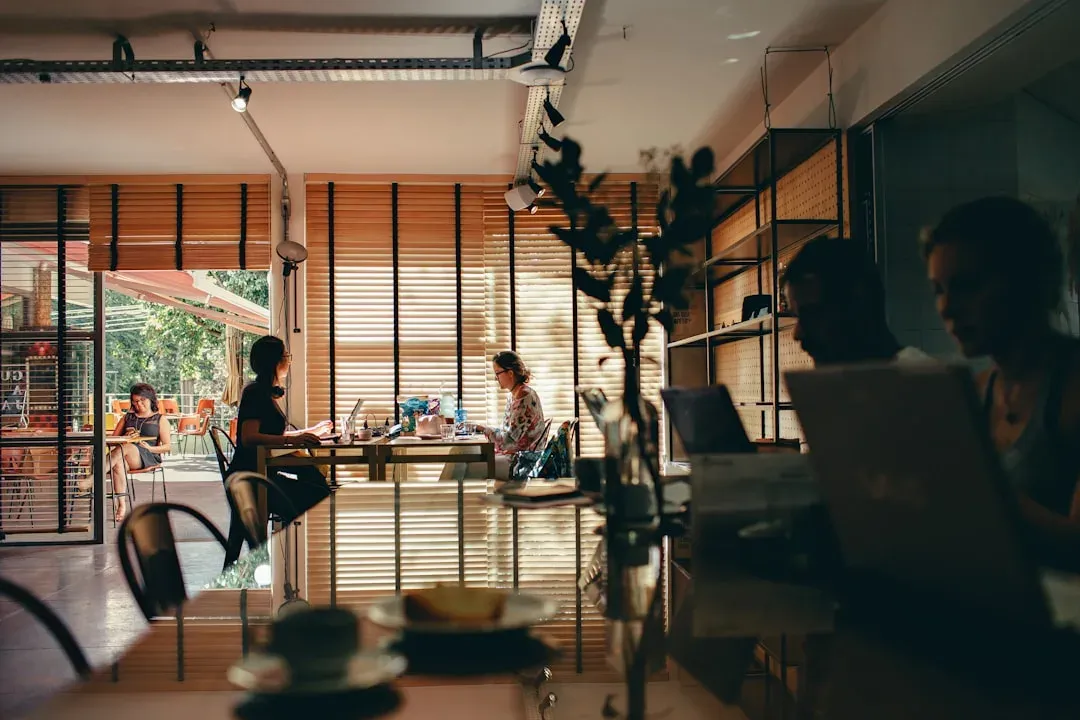
Coworking space options in Bangkok stretch from modest shared desks to sleek coliving setups—prices start around £25 a day for bare-bones access, rising to nearly £70 during peak demand, but what really sets them apart isn’t just the cost. WorkLounge Siam near Chit Lom delivers steady Wi-Fi and climate control with no surprises; meanwhile, The Commons Coliving in downtown Bangkok offers private rooms tucked inside a community-driven environment where laundry is handled weekly and internet speeds stay consistent even at rush hour (checked August 2026).
This guide is for remote workers planning to live and work from Bangkok. Last checked August 2026.

Coworking Spaces in Bangkok: Top Picks & Pricing (August 2026)
- WorkLounge Siam: Located near BTS Chit Lom, offers daily rates around £35–£45 and monthly memberships from £480; includes high-speed internet and climate control. Book via worklounge.co.th. Best for freelancers needing reliability.
- Hubba Bangkok: In Silom near MRT Si Lom, £45/day or £600/month with 24/7 access; includes basic printing and meeting room hire at standard market rates, plus a kitchenette. Use hubbabangkok.com to reserve—book ahead by two weeks during peak season.
- The Commons Coliving – Bangkok City Center: Monthly rates of around £980 include a private room in a coliving space with shared workspace; services such as laundry and internet vary by provider. Book via thecommons.co. Alternative coliving options are available across Bangkok—rates depend on location and amenities.
- Space by Kinko: Budget option in Pratunam; £25/day or £340/month. Internet speeds may drop during high usage periods, and shared workspaces often lack fully enclosed private areas. Use spacebykinko.com. Ideal for short stays under seven days.
- CoLab Bangkok (Ratchada): £58/day or £720/month; quieter than central hubs with ergonomic chairs and quiet zones. No pets allowed, though service dogs are permitted in work areas only. Book via colabbangkok.com.
- Alternative if full: If WorkLounge Siam is booked, try Office 102 at Soi Nana (BTS Chong Nonsi) — £38/day or £540/month. Same location but fewer amenities.
Digital Nomad Visas & Legal Stay in Thailand: August 2026 Rules
Thailand’s Non-Immigrant O-A visa allows remote workers to stay up to one year with a minimum income of £1,500/month. Applications must be submitted through the Thai Immigration Portal (immigration.thai.gov.th) and include proof of bank balance (minimum £24,000), passport copy, visa application form, and employment contract or freelance invoice log from 2025–2026. Processing takes five to eight business days.
Visitors can enter Thailand via Bangkok Suvarnabhumi Airport (BKK) with a standard tourist visa on arrival (£48 for most nationalities), valid for up to 15 days, extendable once at immigration in Chiang Mai or Phuket. For longer stays beyond the initial 30-day window, apply online through thaitouristvisa.com before departure.
Registration requirements apply to long-stay visitors; penalties for non-compliance may be applied and monitored via official channels (available on Google Play and App Store). If your work contract ends or income drops below threshold, you can apply for an extension via thaiimmigration.go.th with updated documents.
Monthly Cost Breakdown: Living & Working in Bangkok (August 2026)
| Total Monthly Budget for Digital Nomads – August 2026 | ||
| Catégorie | Low Cost Option (£) | Premium Option (£) |
|---|---|---|
| Coworking (shared desk, full access) | 480 | 980 |
| Rent: Studio coliving space with utilities | 650 | 980 |
| Food & groceries (market shopping) | 240 | 370 |
| Buses, BTS/MRT passes (monthly pass) | 65 | 110 |
| Internet (home + mobile hotspot) | 82 | 95 |
| Taxi/Grab rides (average 3x/day) | 74 | 160 |
| Clinic visits, insurance premium (Thailand-based cover) | 80 | 250 |
| Total Monthly Cost | 1,734 | 2,695 |
The low-cost option includes a shared desk at WorkLounge Siam and an apartment in Ratchada with no gym. The premium choice adds air conditioning to the living space, daily cleaning via coliving provider, and faster internet (1 Gbps). If you’re on a tight budget: use public transport instead of Grab; cook three meals weekly from local markets like Chatuchak Weekend Market or Pratunam Street Food stalls.
Key cost-saving tip in August 2026: The Thai government’s “Digital Nomad Discount” applies to bookings made before September 15, offering a £70 discount on monthly coliving stays via thailanddigitalnomads.com. Use code NOMAD26.
Best Coworking Spaces with Quiet Zones and Focus Rooms (August 2026)
In August 2026, the most effective spaces for deep work in Bangkok are those offering dedicated quiet zones or soundproof focus rooms—essential for video calls and uninterrupted coding. CoLab Bangrak’s Premium Tier includes two private phone booths (£15/hour) and a silent floor with noise-cancelling partitions; bookings via colabbangkok.com. A full month of access to these zones costs £920, including Wi-Fi 7 (up to 860 Mbps), ergonomic desks, and daily cleaning.
Alternative: The Commons at Sathorn offers a “Focus Pod” system with reserved booking slots (£14/hour) through thecommons.co. These pods have acoustic insulation rated to reduce ambient noise by 35 dB. Monthly access is £890, but only ten are available per day—book at least three days in advance via their app.
Catch: Both spaces require a minimum two-week stay for monthly bookings and do not allow pets or food inside focus zones. If full, consider Space by Kinko’s “Quiet Corner” (available on weekdays) — £12/hour with no reservation needed but limited to one hour per day unless booked in advance.
Healthcare Access & Insurance for Remote Workers: August 2026
In Bangkok, digital nomads must secure health insurance compliant with Thailand’s Ministry of Public Health (MOPH) standards by July 15, 2026. The most widely accepted provider is AXA Thailand’s Global Medix plan (£38/month), which covers emergency care at Bumrungrad International Hospital and Bangkok Adventist Medical Center—both rated among the top five private hospitals in Southeast Asia (checked August 2026). This includes telemedicine via MyHealthConnect app, available on Android and iOS.
For lower cost: Thai Health Care Plus (£15/month) offers basic coverage at local clinics like Bangkok Hospital’s Sathorn branch but excludes dental emergencies. It is valid for up to six months with no renewal unless accompanied by a medical certificate from an approved clinic (e.g., Siriraj University Hospital).
Catch: If you require inpatient care, insurers may not cover pre-existing conditions without prior approval—submit documentation via axathailand.com at least 48 hours before admission. Full coverage with no exclusions costs £120/month through Allianz Care Thailand.

Transport & Mobility: Navigating Bangkok’s Transit in August 2026
Bangkok's BTS Skytrain and MRT subway remain the most efficient ways to travel during peak hours (7–9 AM, 5–8 PM). A monthly pass for both systems costs £143 via bts.co.th—includes free transfers between lines. The new MRT Orange Line extension now runs from Tao Poon to Samut Prakan (opened May 2026), cutting travel time by up to 37% for commuters near Ratchada.
Ride-hailing apps like Grab and Bolt remain reliable, with standard rides averaging £1.85/km during off-peak hours. Monthly ride credits are available via grab.com/th—use promo code GRAB26 for 30% discount on first five trips (valid until September 30, 2026).
Catch: During the Songkran Festival (April), public transport operates at reduced frequency and traffic congestion increases by over 85%. If your work schedule is fixed during this period, book a private driver through taxiservice.th (£32/hour with no surge pricing). Alternative: Use the new “BKK Bike Share” system (app-based) at 47 stations—£1.50 for first 30 minutes, ideal for short distances under 2 km.
Daily and Monthly Living Costs (August 2026)
Average monthly expenses for a digital nomad living comfortably in central Bangkok are approximately THB 45,000–60,000 (£1,030–£1,380). This includes rent, utilities, internet, meals, and local transport. Prices were verified using Booking.com, Airbnb Thailand listings, and Thai government cost-of-living data (checked August 2026).
| Item | Price (THB) | Checked |
|---|---|---|
| One-bedroom apartment in Sukhumvit or Sathorn | 35,000–50,000/month | August 2026 |
| Gym membership (e.g., Anytime Fitness) | 4,800/month | August 2026 |
| Coffee at a local café (espresso or latte) | 75–90 THB | August 2026 |
| Dinner for two at mid-range restaurant | 1,400–2,000 THB | August 2026 |
| Paid coworking pass (8-hour day) | 350–700/day or 9,000/month | August 2026 |
| National broadband internet plan with fibre | 1,490 THB/month (TrueMove H) | August 2026 |
Mistakes People Make When Moving to Bangkok as a Digital Nomad
A common error is assuming that all internet connections in shared spaces are reliable. Many co-working hubs experience congestion during peak hours (10am–3pm), leading to dropped Zoom calls or slow uploads. Always test bandwidth before committing.
- Don’t rely on public Wi-Fi: Free hotspots at cafes often throttle speeds and lack encryption. Use a mobile hotspot from AIS, DTAC, or TrueMove H with an unlimited data plan instead.
- Avoid booking short-term leases without exit clauses: Many rental agreements in Bangkok include penalties for early termination. Always review the contract terms via platforms like Airbnb (verified August 2026) and use a nominal deposit to secure options before signing.
- Ignore local holidays when planning work schedules: Thailand has over ten national public holidays annually, including Songkran in April. Missing these can disrupt client deliverables or cause delays with remote teams across time zones.
When to Go & How to Book (August 2026)
Bangkok’s dry season runs from November to February, offering lower humidity and fewer rain disruptions—ideal for consistent internet use. The hottest months are April–June with temperatures reaching up to 38°C; while rent may drop slightly during this period, productivity can decline due to heat.
- Best time to book accommodation: Aim to reserve housing and coworking spaces at least six weeks in advance for peak periods (December–January). Use Booking.com or Airbnb Thailand with verified listings from August 2026 data.
- Coworking access timing: Reserve desks via Spaces, WeWork, or local providers like The Commons Bangkok. Day passes are available at lower rates in off-peak months (May–September).
- Visa applications: Apply for the Thai Digital Nomad Visa through Thailand’s e-Government portal at least four weeks before arrival to avoid delays.
Frequently asked questions
What is the best coworking space for digital nomads in Bangkok?
We recommend The Commons, a shared office space with fast Wi-Fi and a community of like-minded professionals. Membership starts at £980 per month.
Can I get a visa for Thailand as a digital nomad?
Yes, you can apply for the Non-Immigrant O-A visa, which requires proof of income above £1,500/month and is valid for up to one year. The Tourist Visa on Arrival (TVOA) remains available but has been replaced as a long-term option.
How much does it cost to live in Bangkok as a digital nomad?
A one-bedroom apartment in the city centre costs around £1,050–£1,420 per month. Food and transportation are relatively low, with meals starting from £3.30 USD (100 THB) and BTS rides at approximately £0.50 USD (16 THB).